Money Tales: The Ultimate Trade of Time Versus Money
A merchant spent decades building a golden tower. He skipped sunny afternoons and family meals to secure a grand retirement.  He added floor after floor, feeling that it was never quite enough.

"Once it is tall enough, I will move in and finally live the life I want," the merchant promised.

An elder passing by asked, "How many floors will you have time to live in and enjoy?"

The merchant paused. We must build a foundation because money funds the lives we live. However, blindly adding floor by floor can swallow the very days it was meant to protect.

We cannot stop earning, but tomorrow is never guaranteed. Are you building a life, or just adding floors?
Time and money are fundamental resources that influence every aspect of our lives. They share an intricate, often stressful relationship. We cannot ignore this connection if we want to make confident, well-informed choices and achieve true financial wellness.
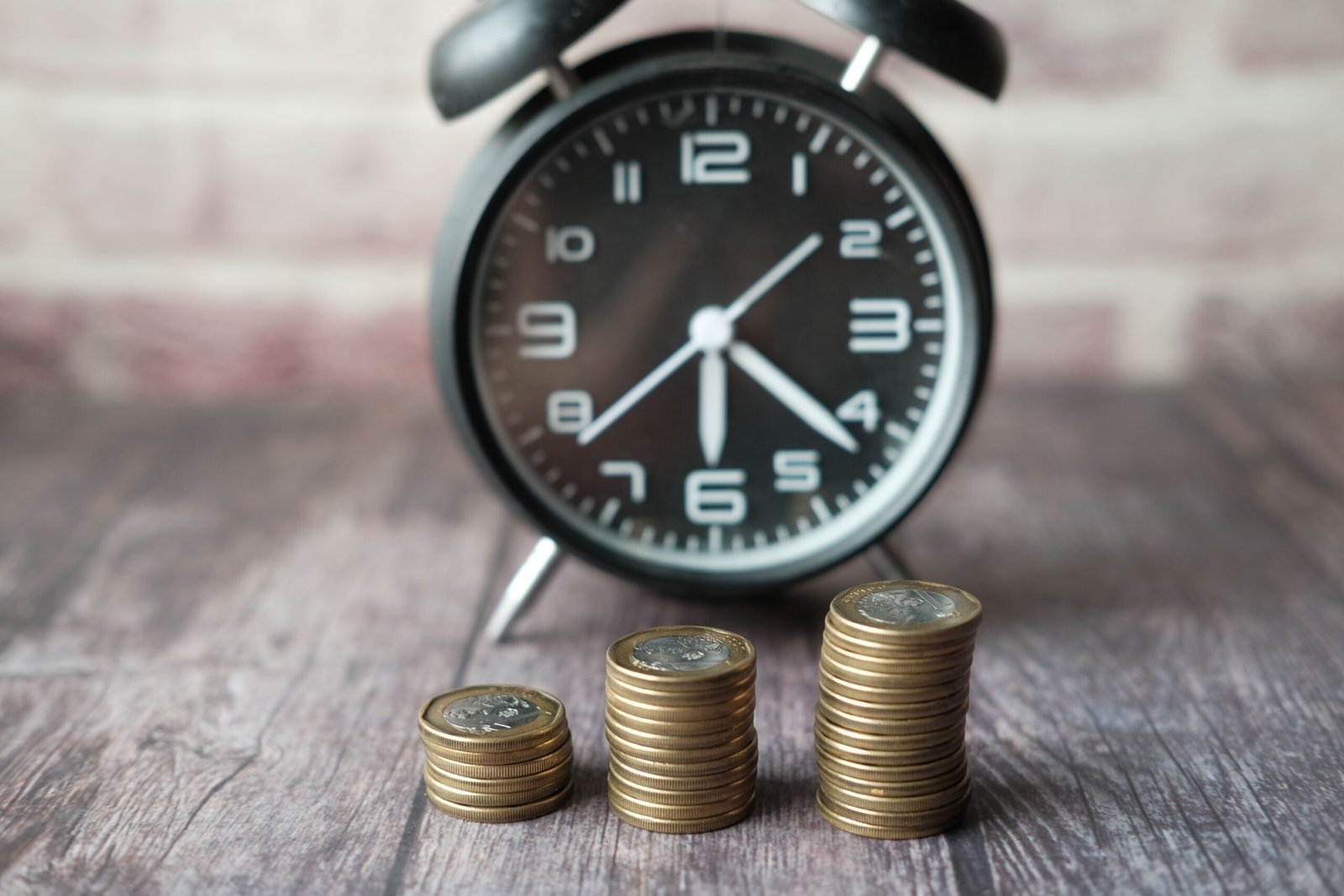
Time is finite and non-renewable. Once a day is gone, it is gone forever. Yet, most of us must sell this irreplaceable time just to earn money. We trade our hours, leaving less time for family, hobbies, and rest. Earning money enables us to buy the goods, services, and experiences that make life bearable or even worthwhile.
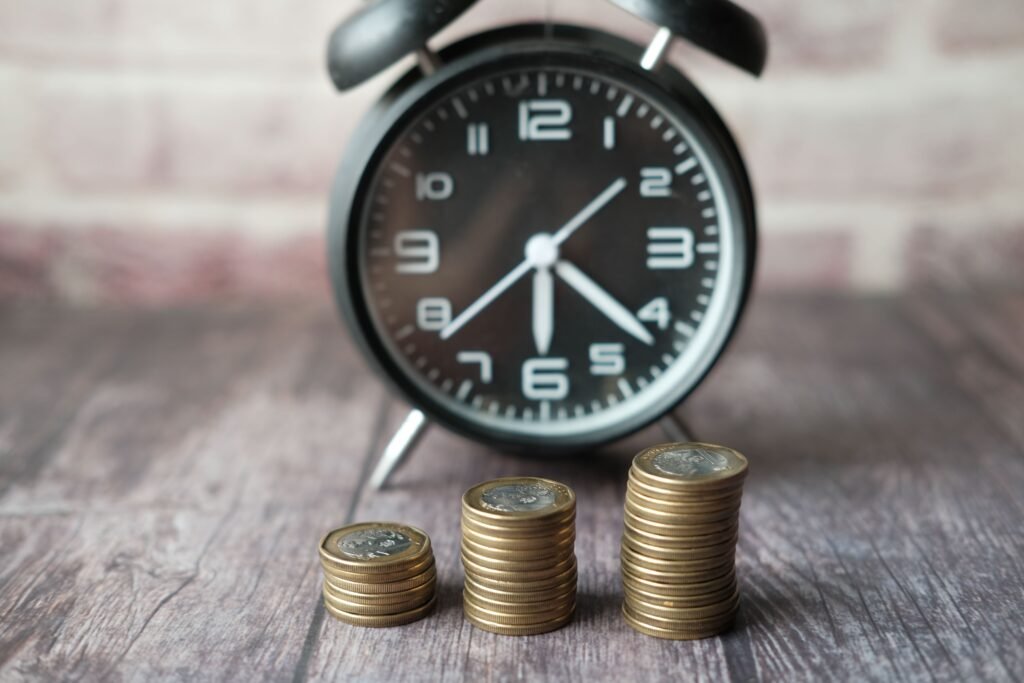
This trade creates a constant, unyielding tension. We need to spend time to get money, but we need money to enjoy our time. Yet, we find ourselves trapped in a loop. We chase a future that is never guaranteed while letting the present slip away. So how do we navigate this trade to find financial peace and fund our future without losing sight of our present?
1) Recognise the external influences skewing your preference of time versus money
Societal norms and cultural backgrounds significantly influence how we value time versus money. Many communities measure success strictly by material wealth, pushing us toward a life of “delayed gratification”. It is easy to fall into the trap of blindly working harder now for a future that may not materialise.
Conversely, choosing a lower-paying career path that offers more flexible hours, or turning down a promotion to protect your weekends for mental wellbeing, prioritises immediate time but impacts long-term wealth building.
Neither path is inherently right or wrong. The goal is to become aware of these external biases so you can choose based on your individual values. This ensuress you can allocate resources to consciously manage the opportunity costs where you can.
2) Identify the priority of your current life season
The tension between money versus time will always exist. However, we can find financial peace by defining what matters most in our current season.
Are you starting a business or wanting to be present for key milestones? Time is required, and these are instances where you cannot use money to buy it back. On the other hand, if you are currently facing financial distress or have a large loan that you want to clear, it makes sense to focus on earning money while accepting that you will temporarily have less time for other things.
Begin by defining your present priority, then set a clear boundary or a timeline to review if that focus is still valid or must shift. Do not fall into the trap of letting a temporary season become a permanent state. Avoid overemphasing one resource over the other for too long, beacuse ultimately, we are aiming to strike a balance between the two as much as we can.
3) Align choices to manage the paradox and minimise regrets
We cannot permanently solve the time-versus-money paradox, but we can manage it to minimise future regrets. Regret grows when we lean too heavily on one resource at the expense of the other for a lifetime.
True financial wellness is not a static formula; it requires intentional, ongoing alignment. When making a financial trade, ask yourself: If my time were cut short, would I regret this choice? If I live a long life, will my future self feel secure? Viewing both your present days and your future stability as equally valuable investments stops the blind chase, allowing you to fund your life responsibly while actively living it.
Conclusion: Living with the Tension
The trade between time and money is not a problem that can be solved in one instance, but rather a relationship to be managed over time. True financial wellness means making these choices intentionally, without guilt, and with a clear understanding of your personal boundaries. By honouring your current life season and making choices that protect your future without losing sight of your present, you can build a stable foundation and still enjoy the sunny afternoons along the way.
Take a moment to reflect: What season of life are you in right now? Are your current choices building a life you can enjoy today, or are you simply adding floors to a tower you may never move into?
If you want to untangle this tension and build a personal road map that works for your life, explore our financial coaching options at Empower2Free. Let us work together to help you manage your money choices with confidence.